
"coffee production Venezuela"
900 article(s) found

Introduction to Venezuelan coffee with smooth taste and sweet taste
The distinctive manor coffee comes from this oil-rich country. Oil was once considered to be the main export of Venezuela. Although coffee trees were introduced from Martinique in 1730 and Venezuela, coffee production was almost abandoned at the height of the oil industry. Recently, coffee plantations have begun to recover, with the original planting of Tipica and

Venezuelan coffee is recommended from the producing area of boutique coffee beans.
The distinctive manor coffee comes from this oil-rich country. Oil was once considered to be the main export of Venezuela. Although coffee trees were introduced from Martinique in 1730 and Venezuela, coffee production was almost abandoned at the height of the oil industry. Recently, coffee plantations have begun to recover, with the original planting of Tipica and

The characteristics of Venezuelan coffee the present situation of the manor San Cristobal
The distinctive manor coffee comes from this oil-rich country. Oil was once considered to be the main export of Venezuela. Although coffee trees were introduced from Martinique in 1730 and Venezuela, coffee production was almost abandoned at the height of the oil industry. Recently, coffee plantations have begun to recover, with the original planting of Tipica and

Introduction of Venezuelan coffee producing areas with smooth taste and sweet taste
The distinctive manor coffee comes from this oil-rich country. Oil was once considered to be the main export of Venezuela. Although coffee trees were introduced from Martinique in 1730 and Venezuela, coffee production was almost abandoned at the height of the oil industry. Recently, coffee plantations have begun to recover, with the original planting of Tipica and

Tazira San Cristobal Manor in the southwest of the Venezuelan coffee plantation
The best coffee names in Venezuela are: Montebello in San Cristobal (San Cristbal de Tachira) in Tazira, Miramar in Rubio (Rubio de Tachira) in Tazira, Granija in Timothe (Timote de Merida) in Merida, and Santa Ana in Tacira (San)

Smooth and sweet Venezuelan coffee beans
The best coffee names in Venezuela are: Montebello in San Cristobal (San Cristbal de Tachira) in Tazira, Miramar in Rubio (Rubio de Tachira) in Tazira, Granija in Timothe (Timote de Merida) in Merida, and Santa Ana in Tacira (San)

The characteristics of Venezuelan coffee
Venezuela introduced coffee trees from Martinique as early as 1730, but coffee production was almost abandoned at the height of the oil industry. Recently, coffee plantations have begun to recover, with original Tipica and bourbon coffee trees and new plantations laying the foundation for coffee exports.

Delicious, light introduction to Venezuelan coffee from Latin America
Alaganeza, Santa Ana, Tacira. Other premium product names are: Maracaipos, Merida, Trujillo, San Philo Mona and Kukuta. One of the many plantations in Merida at the foot of the Andes belongs to the Pablo and Pugali families, an ancient farm that has been allowed to downsize. Since taking over the farm in the early 1980s

Specialty Manor Coffee Caracas Coffee producing area
High-quality coffee beans are refined by water treatment. The coffee beans with less impurities can be obtained by the water washing method, but if the water quality and time are not properly controlled during the fermentation process, the coffee beans will easily be infected with the sour taste of excessive fermentation. and dry beans also need to pay attention to timely re-inspection to prevent coffee beans from being contaminated by wet ground and sundries. Processed
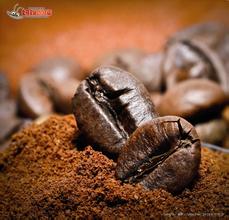
Venezuelan coffee beans with lighter weight, fuller particles and weaker acidity
Venezuela's best coffees are Montebello from San Cristbal de Tachira, Miramar from Rubio de Tachira, Granija from Timote de Merida and San Ana from Tachira.

Smooth and sweet Venezuelan coffee beans introduce boutique coffee
The best coffee names in Venezuela are: Montebello in San Cristobal (San Cristbal de Tachira) in Tazira, Miramar in Rubio (Rubio de Tachira) in Tazira, Granija in Timothe (Timote de Merida) in Merida, and Santa Ana in Tacira (San)

Rich and delicious fruit-flavored Venezuelan coffee from San Cristobal
The Caracas Zhouyuan area, once famous for its coffee, has resumed production. In addition, the Jean and AndresBoulton plantations in the Turgua region also grow Tippica coffee trees. The characteristics of Venezuelan coffee: the taste of Venezuelan coffee is different from other coffee in Latin America. It is delicious, light and better than traditional coffee.

The delicious and light Venezuelan coffee producing area introduces San Cristobal
One of the many plantations in Merida at the foot of the Andes belongs to the Pablo and Pulido families, an ancient farm that has been allowed to downsize. Since taking over the farm in the early 1980s, the Pulido family has harvested coffee from existing bourbon coffee trees and planted new tree species.

Introduction to the flavor and taste of the coffee growing environment in Lazimus Manor, Colombia.
In his letter from Jamaica in 1815, Bolivar envisioned that when South America was liberated from Spanish colonial rule, New Granada and Venezuela should form a country, named Colombia. In August 1819, Bolivar's Patriotic Army defeated the Spanish colonial army at the Battle of Boyaca and liberated Bogota. So, New Granada and Venezuela

Smooth and sweet Venezuelan coffee producing area of San Cristobal
The best coffee names in Venezuela are: Montebello in San Cristobal (San Cristbal de Tachira) in Tazira, Miramar in Rubio (Rubio de Tachira) in Tazira, Granija in Timothe (Timote de Merida) in Merida, and Santa Ana in Tacira (San)

Introduction of Venezuelan coffee beans with smooth taste and sweet taste
The best coffee names in Venezuela are: Montebello in San Cristobal (San Cristbal de Tachira) in Tazira, Miramar in Rubio (Rubio de Tachira) in Tazira, Granija in Timothe (Timote de Merida) in Merida, and Santa Ana in Tacira (San)

Delicious and light Venezuelan coffee beans from San Cristobal area
Coffee cultivation in Venezuela begins with the introduction of coffee trees from Martinique in 1730, and the development of coffee in this country did not receive much attention at the time of introduction. Because Venezuela was in the heyday of the oil industry, coffee development was in the doldrums. It was not until later that it slowly recovered and not only planted the original Tippica and bourbon coffee trees, but also developed new producing areas.

Venezuelan coffee beans with weak sour taste and sweet and deep taste
The area around Caracas, once famous for its coffee, has resumed production. Another Jean and Andries from Turgua. Tippica Coffee trees are also planted on the Andres Boulton plantation. Venezuelan coffee tastes different from other coffee in Latin America. It is delicious, light and less sour than traditional coffee, which makes

Introduction to the delicious and light flavor of Venezuelan coffee beans
The best coffee names in Venezuela are: Montebello in San Cristobal (San Cristbal de Tachira) in Tazira, Miramar in Rubio (Rubio de Tachira) in Tazira, Granija in Timothe (Timote de Merida) in Merida, and Santa Ana in Tacira (San)

The taste of Hawaiian coffee beans, the only coffee producing state in the United States.
Venezuelan coffee tastes different from other coffee in Latin America. It is delicious, light and less sour than traditional coffee, which makes it not only blended but also distinctive. Venezuelan coffee beans taste smooth and sweet. Compared with other coffee in Latin America, Venezuelan coffee is lighter, full-grained, sour, sweet and deep. Venezuela